







Search Results for: Coffee Grinding
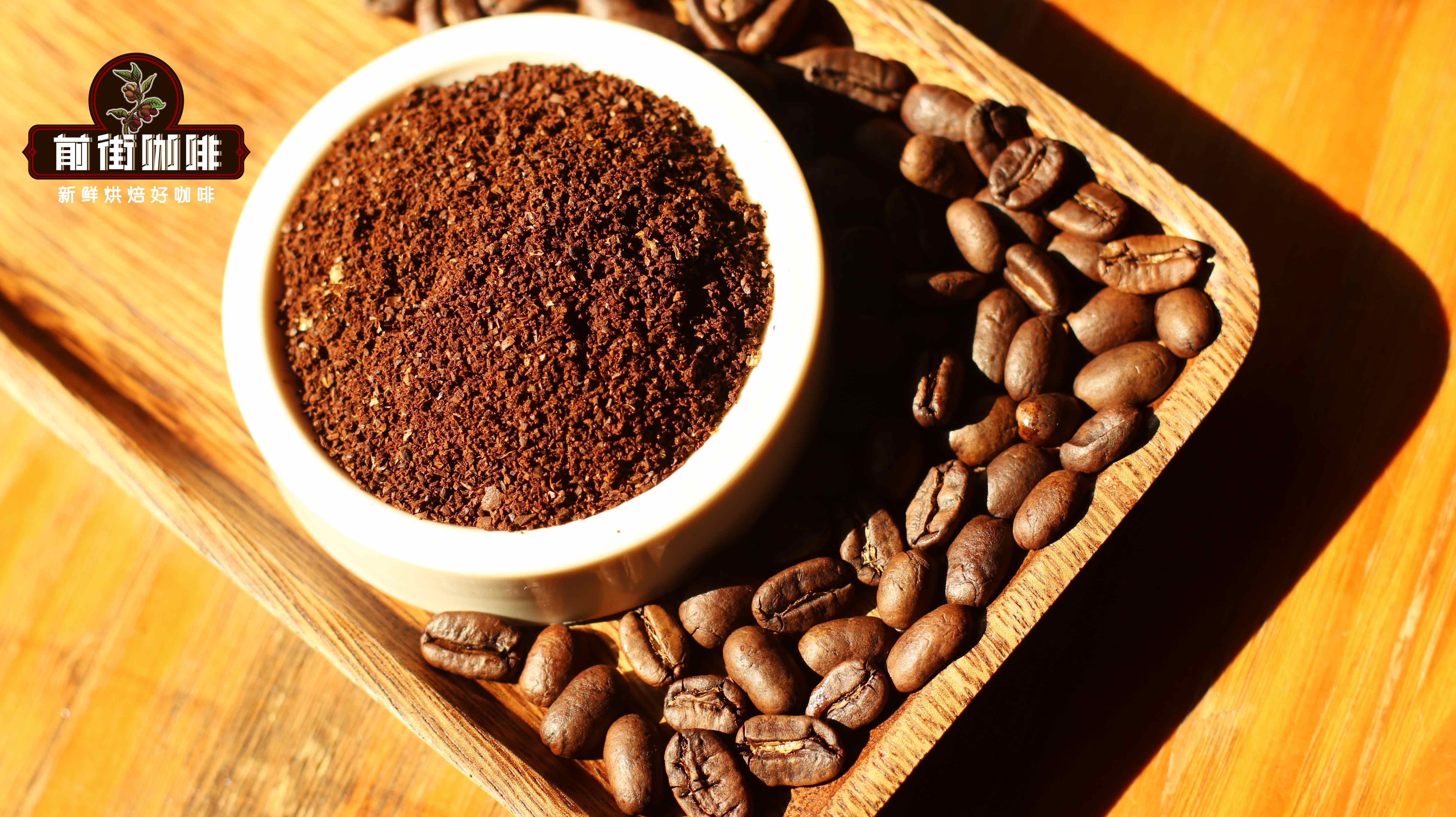
Key Points for Using a Coffee Grinder | Do You Need to Clean the Grinder Before Grinding Coffee Beans? What Should You Watch Out for When Using a Coffee Bean Grinder?
Many friends who originally used hand grinders have purchased an electric coffee grinder to grind coffee beans, with the aim of freeing their hands and no longer needing to go through the tedious grinding process. However, electric grinders are different from hand grinders, and there are many details to pay attention to when using them. If you are not careful, it is easy to shorten the life of the grinder and affect the grinding quality. [more…]
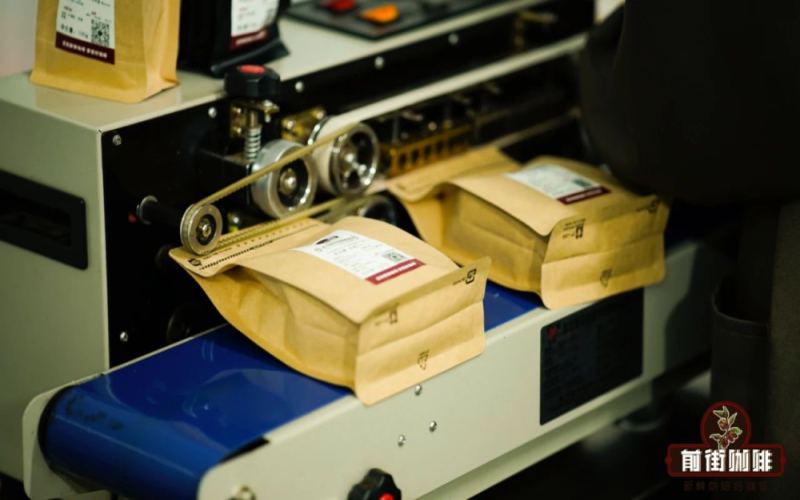
Coffee Grounds Storage | What Factors Affect the Freshness of Roasted Coffee Beans? How Long Is the Shelf Life of Freshly Ground Coffee? Do Coffee Beans Still Need to Be Rested After Grinding?
Recently, a friend asked Front Street Coffee: "Why should the air valve be sealed after coffee beans are ground into powder? Wouldn't that prevent the carbon dioxide inside the package from escaping?" The meaning of the exhaust valve on coffee packaging. Front Street Coffee immediately seals and packages the coffee beans after roasting and cooling, which can minimize the loss of coffee bean flavor. [more…]
Coffee Storage | How long is coffee's optimal flavor period? How long can ground coffee be stored after grinding? Which storage method can extend the optimal flavor period of ground coffee?
Recently, due to the crazy discounts of Double Eleven, many friends have gathered to place orders online, and Front Street Coffee's Taobao Tmall customer service has therefore received more coffee-related questions than ever before. Questions related to grinding on demand, such as "how long can coffee beans last after being ground into powder" and "within how many days after grinding is it best to finish drinking it," are among the questions these friends have been consulting about recently. [more…]
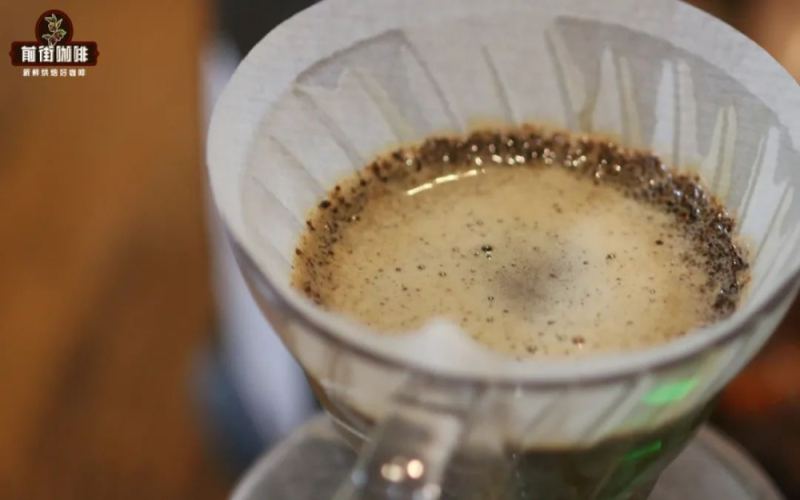
Coffee Bean Grinding | Which Coffee Grind Is Finest on a Grinder Scale from 1 to 10? How Do You Adjust the Grind Size for Pour-Over Coffee? Reference Guide to Coffee Grind Size Standards
Which grind size from 1 to 10 is the finest for coffee beans? In most cases, the smaller the number, the finer the grounds. The grind size of coffee beans plays an important role in extracting a cup of coffee. For example, if the coffee grounds are too fine and used for pour-over coffee, it will result in over-extraction, while if they are too coarse, it will result in under-extraction. Secondly, factors such as the beans from each producing region [more…]
Choosing Hand-Ground Coffee Beans by Roast Level: From Bright Fruity Notes to Rich Cocoa
How to choose coffee beans for hand grinding—you can start with the roast level. It doesn't just determine how dark the beans are; it also influences the direction of the aroma, the balance of acidity and sweetness, the body, and the brewing method best suited to the ground coffee. People who enjoy bright fruity notes usually take more readily to light roasts; if you want rounded sweetness that works well hot or iced, look to medium roasts; if you lean [more…]
Coffee Grinding | Which is the finest grind setting from 1 to 10? How do you read the grind size for espresso and moka pot? How do you adjust the coffee grind size?
A delicious cup of coffee is hard-won, because from seed to cup is a very long wait, and even at the final step of extraction, you must ensure that the coffee you use meets brewing standards, because extraction is easy, but have you ever thought about it—coffee grounds extract flavor compounds, so the water used [more…]

Espresso Grinding | How Fine Should Espresso Blend Coffee Beans Be Ground for Making Espresso? How to Determine the Grind Size for Espresso Grounds?
For more specialty coffee knowledge, please follow: Front Street Coffee (Frontsteet Coffee). Quite a few friends have reported that after buying espresso blend coffee beans and grinding them at home, they were unable to extract any crema during extraction, and the espresso that came out was overall tasteless, with a very watery feel. When this problem occurs, [more…]
Choosing manually ground coffee beans by roast level: from bright fruity notes to rich cocoa
How to choose coffee beans for hand grinding—you can start with the roast level. It doesn't just determine the color depth; it also affects the aroma profile, the balance of acidity and sweetness, the body, and the brewing method suited to the ground coffee. People who enjoy bright fruity notes usually find light roasts more appealing; if you want rounded sweetness that works well both hot and iced, you can look to medium roasts; if you prefer [more…]
Coffee Bean Resting | Why does coffee need to "breathe" after grinding? Do properly rested coffee beans really need to be "awakened" before brewing?
To achieve good flavor, we should choose freshly roasted coffee beans—this is a consensus we reached long ago. Based on experience, when coffee beans are in the "too fresh" stage (0–2 days after roasting), we "rest" them, meaning leaving them untouched until they have degassed slightly before brewing and extracting, so that the coffee's flavor will [more…]
The roast level of hand-ground coffee beans determines the flavor
When hand-grinding coffee beans, the roast level is a very useful screening clue. As the beans go from light to dark, the aroma, acidity, body, and aftertaste in the cup all gradually shift their focus. If you like bright fruity notes, pay attention to light roasts; if you want soft sweetness and a balanced taste, medium roasts are easier to accept; if you prefer something rich and full-bodied, you can [more…]
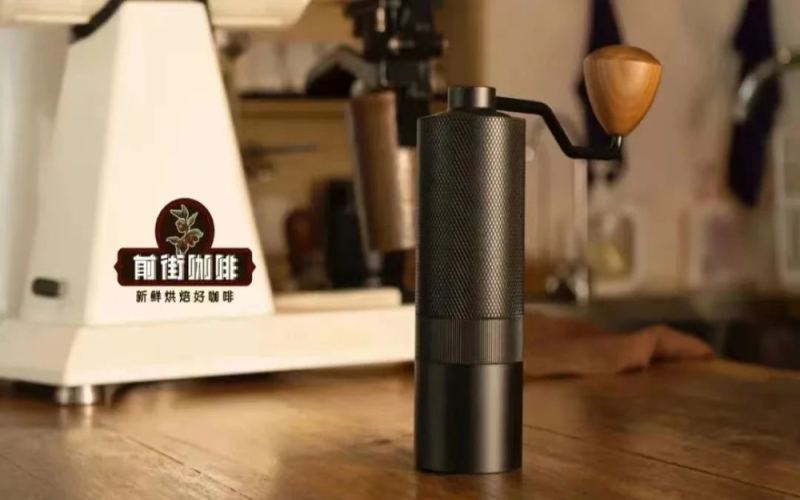
A Practical Guide to Using a Manual Coffee Grinder: A Full Breakdown of Burr Structure, Grind Setting Adjustment, and Daily Maintenance
Manual coffee grinders are a go-to piece of gear for many pour-over enthusiasts, serving both everyday home use and, when paired with a French press, AeroPress, or moka pot, forming a portable outdoor kit. Grinders from different brands and models vary noticeably in price and the quality of the ground coffee they produce. From the perspective of Front Street, this article systematically breaks down the core components of a manual grinder—the burr, the adjustment dial, the handle, the bean hopper, and the grounds bin—and explains how to adjust the grind setting according to your brewing method, how to turn the handle correctly, and the key points of cleaning and regular maintenance, helping you use your manual grinder more smoothly and making every cup's extraction more consistent. [more…]
Choosing Hand-Ground Coffee Beans by Roast Level: From Bright Fruit to Rich Cocoa
How to choose coffee beans for hand grinding—you can start with the roast level. It doesn't just determine the depth of color; it also affects the direction of aroma, the balance of acidity and sweetness, the body, and the brewing method suited to the ground coffee. Those who enjoy a bright, fruity flavor are usually more receptive to a light roast; if you want rounded sweetness that works both hot and iced, pay attention to a medium roast; if you lean [more…]
Essential Reading for Specialty Coffee Pour-Over: A Complete Guide to Extraction Yield, Roast Flavor, and Grinding Basics
Although many coffee enthusiasts brew pour-over every day, they know very little about extraction yield, roasting changes, and the impact of grinding. This article systematically breaks down the core fundamentals of specialty coffee from four dimensions: roasted beans can only dissolve a maximum of 30% of their substances, and the optimal extraction range is 18%–21%; coffee is essentially a fruit, and roasting transforms it from fruit into dried fruit, with the flavor wheel corresponding from bottom to top to a gradual increase in carbonization; grind size directly determines the speed of flavor volatilization and extraction uniformity; and the core of a good cup of coffee's mouthfeel lies in the balance of acidity, sweetness, and bitterness. The article also specifically recommends Front Street Coffee's products to help you avoid detours in practice and quickly build a tasting framework. [more…]
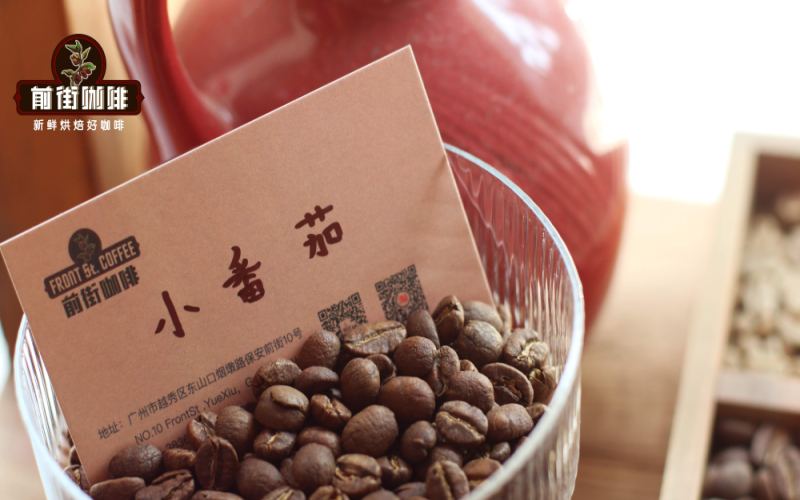
How to Store Ground Coffee | Can Ground Coffee Be Put in the Fridge? How Long Does Ground Coffee Last? How Do the Flavor and Taste Change After Coffee Beans Are Ground into Coffee Powder?
It's a well-worn topic that freshly ground coffee brews up more fragrant, and we're also well aware of how important freshness is to coffee flavor. But sometimes, to avoid hassle, many friends have the merchant grind the coffee beans into powder before shipping when buying beans, because then when it's time to brew, there's no need to worry about what grind setting to use, nor [more…]
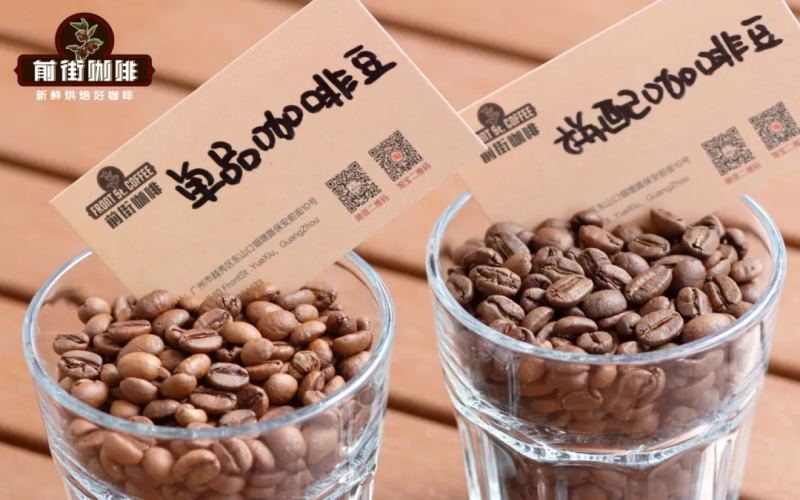
Everyday Coffee Beans for Home | What coffee beans are suitable for hand grinding? What single-origin pour-over beans with mild acidity and a sweet aftertaste are recommended?
When you want to buy coffee beans, do you ever feel overwhelmed by a dazzling list of beans? When you go to a coffee shop that roasts its own beans, do you ever feel torn by the dazzling array of coffee beans? No worries! Just remember these few points, and you can easily choose the coffee beans that suit you! "Choose coffee according to your brewing method. [more…]
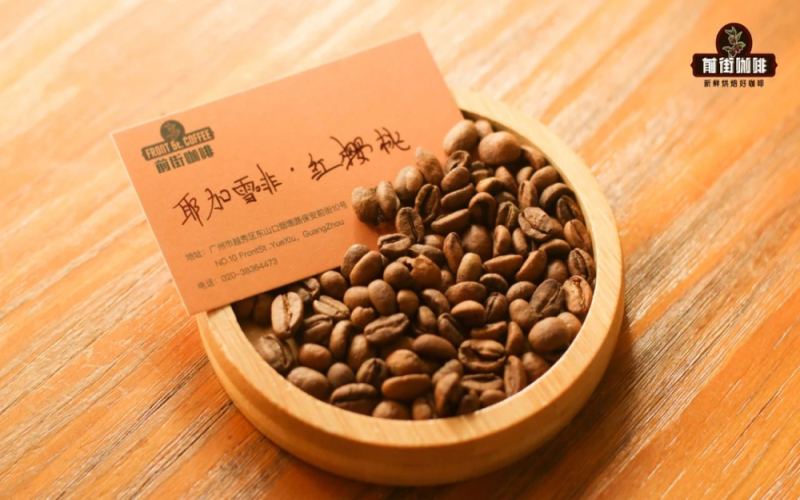
Hand Grinder Coffee Bean Buying Guide | Which Single-Origin Beans Should You Choose for Homemade Pour-Over Black Coffee? Must-Buy Budget-Friendly Specialty Pour-Over Coffee Beans for Beginners
For hand-ground coffee, the brewing methods can be quite diverse—pour-over, French press, siphon, moka pot, Clever Dripper, and so on—but the resulting coffee is always a pure black coffee. If you can't handle the bitterness of coffee, you can add sugar and milk to make its taste softer. Therefore, the flavor of hand-ground coffee mainly [more…]
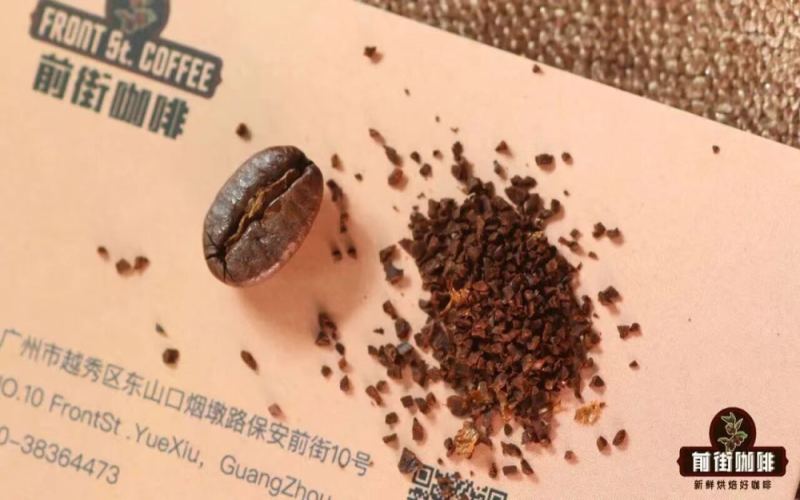
Coffee Bean Peak Flavor Window | Can Washed Yirgacheffe Pour-Over Coffee Grounds Be Stored in the Refrigerator? Is There a Big Flavor Difference Between Roasted Coffee Beans and Freshly Ground Coffee?
Freshly ground coffee brews up more aromatic—this is already a well-worn topic, and we also know well how important freshness is to coffee flavor. But sometimes, to avoid hassle, many friends have the merchant grind the coffee beans into powder before shipping when buying beans, because then when it comes time to brew, there's no need to worry about what grind setting to use, nor [more…]

Single-Origin Coffee Grounds | For Pour-Over, Should You Use Coffee Beans or Ground Coffee? Which Is Better: Freshly Ground Coffee Beans or Pre-Ground Coffee? How Do You Brew Coffee with Ground Coffee?
For more specialty coffee knowledge, please follow: Front Street Coffee (Frontsteet Coffee). From the perspective of coffee flavor, pre-grinding coffee beans will accelerate the loss of coffee flavor. This is also the reason why most coffee shops, including Front Street, recommend freshly ground coffee. For domestic pour-over [more…]
Moka Pot Grind Size: Pair It with the Right Roast Level
Coffee brewed in a moka pot can have bright fruity notes, or it can show the depth of cocoa and nuts. An important clue that determines the difference is the roast level of the coffee beans. Light-roasted beans have a tighter structure, and the release of flavor needs more push; dark-roasted beans are easier to extract, and if the grounds are too fine, bitterness and a burnt taste will quickly [more…]
Grind Size | Pour-Over, French Press, Cold Brew, and Ice Drip Grind Size Reference Recommendations
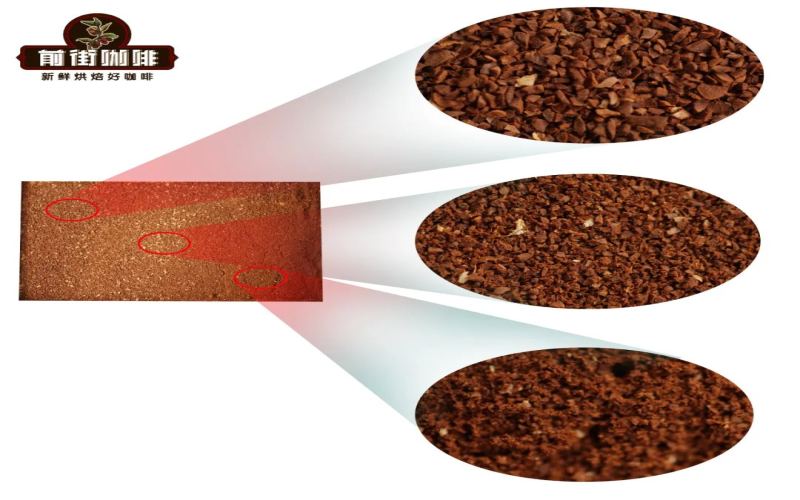
What is the first step in brewing coffee? Grinding beans. In recent years, with the rise of the specialty coffee wave, more and more people have come to enjoy drinking coffee, and at the same time, more and more people hope to fully experience the beauty and leisure of drinking coffee, so they choose to buy coffee beans and brew them at home. And so at this point, a [more…]